Pakhuis Pass is a climb of 17.1 kilometers (category 1). Pakhuis Pass tops out at 902 m above sea level. It is located in Cederberg Local Municipality, Western Cape, South Africa. The average gradient is 5.0% with a maximum of 11%. The climb has 849 meters of elevation gain.
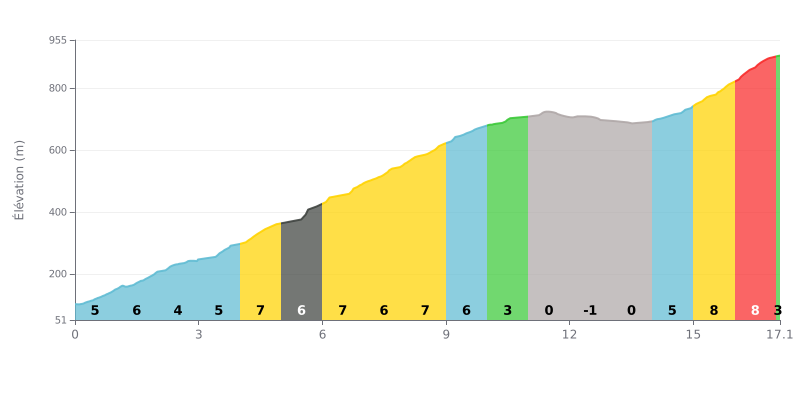
Difficulty breakdown: This Category 1 climb is genuinely hard, with a punchy first half (6-9% gradients between km 1 and 9) followed by a welcome 4 km respite (0 to -1% between km 10 and 14). The real test comes at the top: two kilometres at 8% that will require everything you have left in the tank.
Pacing tips:
1. Manage your effort early: Resist the urge to go too hard on the opening 6-9% ramps. Burning matches here will cost you dearly on the final climb.
2. Make the most of the middle reprieve: The flat-to-descending section between km 10 and 14 is your chance to recover properly: spin those legs easy, drink, and get some food in before the final push.
3. Be ready for the closing kilometres: Hit the last two kilometres (8%) with fresh legs, and save some power for that final sting.
Riders who have climbed the Pakhuis Pass agree on one thing: the road is in excellent condition. The climb from Clanwilliam is on smooth, immaculate tarmac that turns into well-maintained gravel after Englishman's Grave, making for a relaxed, steady ascent.
What really stays with people is the scenery. Riders describe fantastic rock formations, jaw-dropping views over the mountain range and wide stretches of low grass. The experience is described as beauty beyond words, especially in spring when the flowers are in bloom.
The climb is about more than the scenery, though. It's also an immersion in a unique atmosphere. Riders recommend stopping at the Traveller's Rest and exploring the area beyond the pass, with its welcoming farms selling local produce like wine and olives. At night, the starry sky is described as exceptional.
For many, tackling the Pakhuis Pass is much more than just a climb. It's a complete adventure, combining a pleasant road with breathtaking scenery and a warm atmosphere, which makes this pass one of the most beautiful places to discover by bike.
17.1 km • 849 m D+
VAM: average climbing speed, based on elevation gain


Join thousands of cycling fans! Plan your rides, record your performance, track your progress and discover the finest climbs.
Live climb profile to pace your effort all the way to the top.